
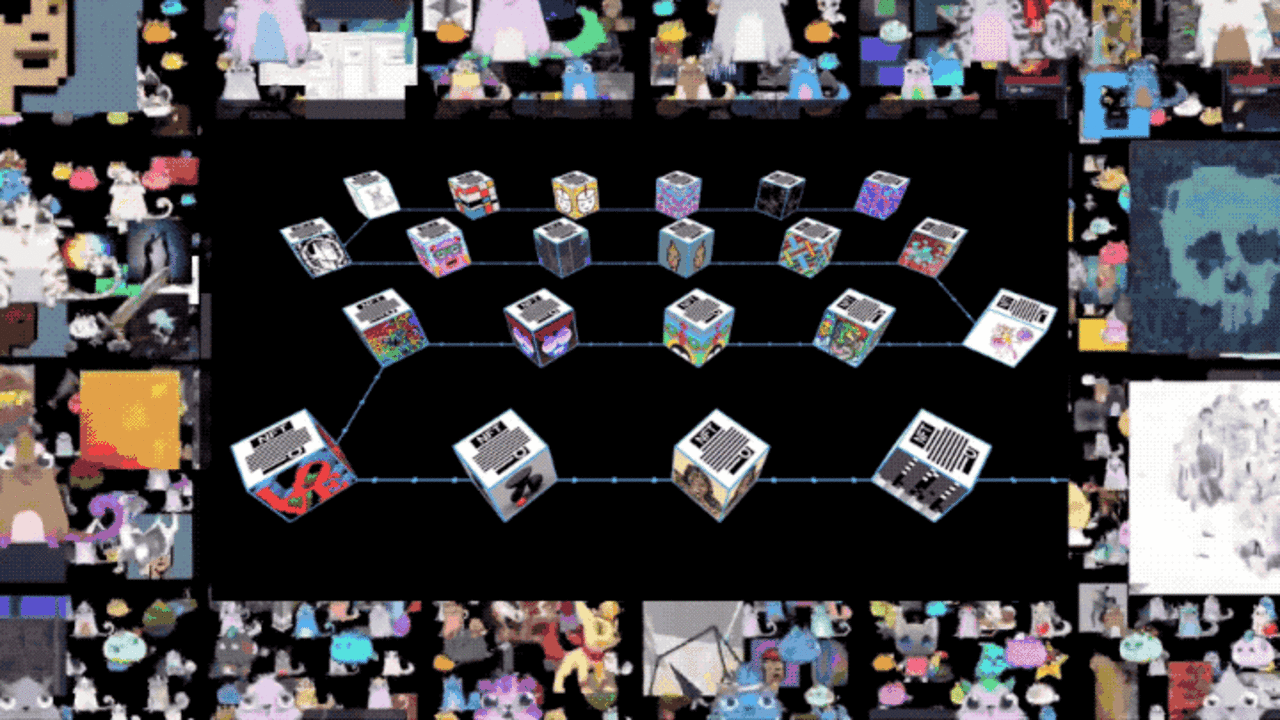
Ever wondered why one digital image of a rock sells for millions while your own digital artwork might not even fetch a single bid? The world of NFTs (Non-Fungible Tokens) can seem like a confusing rollercoaster, where fortunes are made and lost in the blink of an eye. What separates the valuable digital assets from the digital dust?
Many people find themselves scratching their heads, pouring money into projects based on hype, only to see their investments plummet. They struggle to understand the underlying factors that drive value in the NFT space, feeling lost in a sea of speculation and jargon.
The value of an NFT isn't solely based on the digital asset itself, but rather a complex interplay of factors including scarcity, utility, community, creator reputation, and market sentiment. An NFT representing a rare digital collectible from a well-known artist with a strong community backing it, and offering exclusive perks to its holders, is far more likely to command a high price than a mass-produced, generic NFT with no discernible utility or backing.
In essence, the perceived value of an NFT is subjective, driven by the collective belief and desire of buyers and collectors. The NFT market is influenced by trends, news, and celebrity endorsements, creating a volatile and unpredictable landscape. Understanding these key elements is crucial to navigating the NFT market and making informed decisions.
Scarcity and Rarity
I remember when I first stumbled upon Crypto Punks. Initially, I didn't get the hype. Pixelated avatars? Really? But then I started digging deeper. I learned that only 10,000 of these existed, each with unique attributes. This limited supply, or scarcity, immediately piqued my interest. Think of it like this: a baseball card of a legendary player is worth more than a common card because there are fewer of them. The same principle applies to NFTs. The rarer an NFT is, the more desirable it becomes, driving up its price. Some Crypto Punks, due to their ultra-rare attributes (like being an Ape or Alien), have sold for millions. These rare attributes act like Easter eggs hidden within the collection, making them more valuable to collectors. Rarity isn't just about the number of NFTs in a collection; it's also about the specific traits and characteristics within those NFTs. A combination of factors contributes to an NFTs worth.
Utility and Functionality
Beyond just being a digital collectible, some NFTs offer real-world utility. This means they provide holders with tangible benefits, like access to exclusive events, memberships, or even in-game items. Imagine owning an NFT that grants you lifetime access to a music festival or unlocks special abilities in a popular video game. That's utility in action! The more useful an NFT is, the more demand there will be for it, leading to higher value. Projects that focus on building utility are often more sustainable in the long run because they provide ongoing value to their holders. This is in contrast to NFTs that are purely speculative, where the value is based solely on hype and potential future appreciation.
Community and Social Proof
The NFT space thrives on community. A strong, engaged community can be a powerful driver of value. Think of Bored Ape Yacht Club. The community surrounding this project is incredibly active, with members often flaunting their apes on social media and participating in exclusive events. This creates a sense of belonging and exclusivity, which further fuels demand. Social proof also plays a crucial role. When celebrities or influencers endorse an NFT project, it can significantly boost its visibility and credibility, leading to a surge in interest and value. But it's important to remember that community alone isn't enough. A strong community built around a project with no real substance is unlikely to sustain itself in the long term. It is important to do your own research before investing.
The Creator's Reputation
The reputation of the artist or creator behind an NFT is a major determinant of its worth. An NFT created by a well-known artist with a proven track record is far more likely to be valuable than one created by an unknown artist. This is because the artist's reputation acts as a form of guarantee of quality and authenticity. Collectors are willing to pay a premium for NFTs created by artists they trust and admire. However, it's important to remember that even established artists can experience fluctuations in the value of their NFTs. Market trends, overall sentiment, and the artist's continued engagement with the community can all play a role. Therefore, it's crucial to research the artist's history and their involvement in the NFT space before investing.
Market Sentiment and Trends
The NFT market is highly susceptible to trends and overall market sentiment. What's hot today might be forgotten tomorrow. An NFT project that's riding the wave of a popular trend is likely to see a surge in value, but this can be fleeting. When the trend fades, the value may plummet. It's essential to be aware of current market trends but avoid chasing hype. Instead, focus on projects with solid fundamentals, such as strong utility, a dedicated community, and a reputable creator. Understanding the overall market sentiment can also help you make informed decisions. Are people generally bullish or bearish on NFTs? Are there any major events or news stories that could impact the market? Keeping abreast of these factors can help you navigate the volatility of the NFT space.
Understanding "Floor Price"
The "floor price" is the lowest price at which you can currently buy an NFT from a particular collection. It's a key metric for gauging the overall demand and popularity of a project. A rising floor price indicates increasing demand, while a falling floor price suggests declining interest. However, it's important not to rely solely on the floor price when evaluating an NFT. Some projects may have artificially inflated floor prices due to wash trading or other manipulative tactics. Look beyond the floor price and consider the other factors we've discussed, such as scarcity, utility, community, and creator reputation. A healthy project will have a stable or rising floor price that is supported by genuine demand, rather than artificial manipulation. Also, consider the volume traded, a low floor price can be misleading if no one is buying or selling.
Tips for Evaluating NFT Value
When evaluating the potential value of an NFT, consider the following tips: Research the creator: Who is the artist or creator behind the NFT? What is their reputation? Assess the utility: Does the NFT offer any real-world benefits or exclusive access? Analyze the community: Is there a strong and engaged community surrounding the project? Examine the rarity: How rare is the NFT? Are there any unique attributes? Understand the market: What are the current market trends and overall sentiment? Don't invest more than you can afford to lose: The NFT market is highly volatile, so never invest more than you're comfortable losing. Be wary of hype: Avoid chasing fleeting trends. Focus on projects with solid fundamentals. Do your own research: Don't rely solely on the opinions of others. Form your own informed judgment. Be patient: Investing in NFTs is a long-term game. Don't expect to get rich overnight. And finally, secure your wallet!
Consider the Gas Fees
Gas fees are transaction fees paid to the blockchain network (usually Ethereum) to process transactions. These fees can fluctuate significantly depending on network congestion. High gas fees can make buying and selling NFTs prohibitively expensive, especially for lower-priced items. Before making a transaction, be sure to check the current gas fees to avoid any surprises. Some blockchains, like Solana, have significantly lower gas fees than Ethereum, making them more attractive for smaller transactions. Gas fees are an unavoidable cost of participating in the NFT market, so it's important to factor them into your overall investment strategy. Exploring layer 2 solutions can also help mitigate the impact of high gas fees on Ethereum.
Fun Facts About NFT Values
Did you know that the most expensive NFT ever sold was "The Merge" by Pak, which fetched a staggering $91.8 million? Or that the first NFT ever created was "Quantum" by Kevin Mc Coy, minted in 2014? The NFT market is full of fascinating stories and surprising facts. Some NFTs have become cultural icons, like the Crypto Punks and Bored Apes, while others have faded into obscurity. The value of an NFT can be influenced by a wide range of factors, from celebrity endorsements to viral memes. One thing is certain: the NFT market is a dynamic and ever-evolving landscape that continues to surprise and captivate us. Keeping up with these fun facts allows for informed decisions.
How to Identify Valuable NFTs
Identifying valuable NFTs requires a combination of research, analysis, and intuition. Start by researching the creator and their previous work. Look for projects with a clear roadmap and a strong community. Assess the utility of the NFT and consider its potential long-term value. Examine the rarity of the NFT and compare it to others in the collection. Pay attention to market trends and overall sentiment, but don't let hype cloud your judgment. Ultimately, the value of an NFT is subjective, so trust your own instincts and invest in projects that you believe in. Remember that there are no guarantees in the NFT market, so it's important to manage your risk and only invest what you can afford to lose. Consider consulting with experienced NFT investors or joining online communities to get different perspectives and insights.
What if the NFT Bubble Bursts?
The NFT market has experienced periods of rapid growth and intense speculation, leading some to wonder if we're in a bubble. If the bubble were to burst, it could have a significant impact on the value of NFTs. Prices could plummet, and many projects could become worthless. However, it's important to remember that not all NFTs are created equal. Projects with strong fundamentals, such as utility, community, and a reputable creator, are more likely to weather the storm. While a market correction is always possible, the underlying technology and concept of NFTs are likely to remain relevant in the long term. Even if the prices of some NFTs decline, the innovation and potential of the NFT space are undeniable.
Top 5 Factors Determining NFT Value (Listicle)
Here's a quick rundown of the top 5 factors influencing NFT value: 1. Scarcity and Rarity: The rarer an NFT is, the more valuable it becomes.
2. Utility and Functionality: NFTs that offer real-world benefits or exclusive access are in higher demand.
3. Community and Social Proof: A strong and engaged community can drive up the value of an NFT.
4. Creator's Reputation: NFTs created by well-known artists are generally more valuable.
5. Market Sentiment and Trends: The overall market sentiment and current trends can significantly impact NFT prices. Keeping these five key factors in mind will help guide one in the NFT space.
Question and Answer
Q: What is the most important factor in determining the value of an NFT?
A: There isn't one single "most important" factor. It's a combination of scarcity, utility, community, creator reputation, and market sentiment.
Q: How can I avoid getting scammed in the NFT space?
A: Do your own research, be wary of hype, and never invest more than you can afford to lose. Always double-check the contract address of an NFT before making a purchase.
Q: Is it too late to get into NFTs?
A: No, it's not too late. The NFT space is still relatively new, and there are plenty of opportunities for growth and innovation.
Q: What are some red flags to watch out for when evaluating an NFT project?
A: Look out for projects with no clear roadmap, a weak community, and an anonymous or unproven creator. Be cautious of projects that promise guaranteed returns or use aggressive marketing tactics.
Conclusion of Why Some NFTs Are Worth Millions While Others Are Worthless
Understanding the drivers of NFT value requires recognizing the complex interplay of scarcity, utility, community, creator reputation, and market sentiment. While some NFTs command immense prices due to rarity and desirability, others lack the fundamental elements that sustain value, resulting in their relative worthlessness. By carefully evaluating these factors, conducting thorough research, and exercising caution, individuals can navigate the volatile NFT market and make informed decisions. Ultimately, the value of an NFT is subjective and driven by collective belief, so approaching the space with a balanced perspective and awareness of inherent risks is crucial.
