
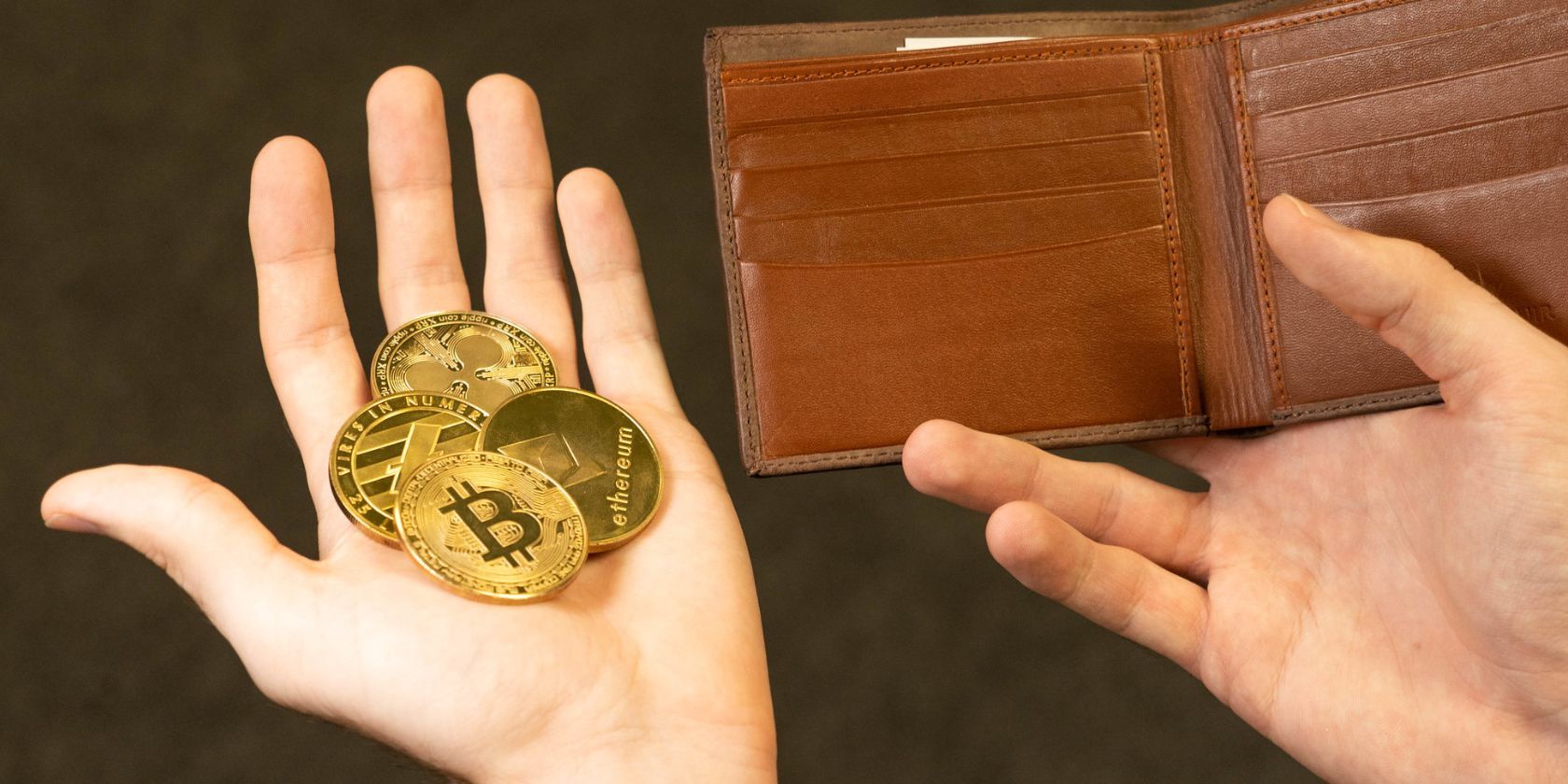
Imagine holding the keys to a treasure chest filled with digital gold. What if I told you those keys could vanish in an instant, leaving your treasure vulnerable? That's the reality of cryptocurrency, and understanding the crucial role of your private keys is the first step to securing your digital assets.
Losing access to your cryptocurrency can be a nightmare. Stories abound of forgotten passwords, lost devices, and compromised accounts, all leading to the same devastating outcome: funds locked away, potentially forever. The fear of such a loss hangs heavy over many cryptocurrency investors, especially those new to the space.
Your private keys are the cryptographic code that allows you to access and control your cryptocurrency. Think of them as the ultimate password, granting you sole authority over your digital assets. Without them, your crypto is essentially inaccessible, even if you know the public address.
In essence, your private key is your crypto. It's the single most important element in securing your digital wealth. Lose it, and you lose everything. Protect it, and you retain complete control. We'll delve into the importance of private keys, best practices for safeguarding them, and what happens if they fall into the wrong hands, or are lost altogether. Understanding the nuances of private key management is essential for anyone venturing into the world of crypto.
Understanding the Analogy: A Safety Deposit Box
I remember when I first got into crypto, I was completely overwhelmed by the technical jargon. Private keys, public keys, wallets – it all sounded like a foreign language. I kept hearing about "not your keys, not your coins," but I didn't really understand what it meant. It wasn't until a friend used the analogy of a safety deposit box that things finally clicked for me. Imagine your crypto holdings are valuable jewels. The cryptocurrency exchange or wallet provider is like a bank, offering you a safety deposit box to store your jewels. Your public key is like the number of your safety deposit box - anyone can send things there, but without the right private key, you can't open it and get your jewels out. The private key, then, is theactualkey to that box. If you lose that key, the jewels inside, while still technically yours, are practically inaccessible.
This analogy helped me understand the core concept: you don't truly own your crypto unless you control your private keys. Leaving your crypto on an exchange is like trusting the bank to keep your key safe. While reputable exchanges have security measures in place, they are still vulnerable to hacks and breaches. Taking control of your private keys means taking responsibility for your own security, but it also gives you complete and unyielding control of your crypto assets. It’s the difference between renting a safety deposit box and owning the entire vault. With your own private keys, you are the vault.
What Exactly Is a Private Key?
A private key is a long, randomly generated string of characters that acts as the secret password to access and manage your cryptocurrency. It's a complex alphanumeric code, typically represented as a 256-bit number. This string is mathematically linked to your public key, which serves as your "account number" or address where others can send you crypto. While your public key can be shared freely, your private key must remain secret at all costs.
The relationship between public and private keys is based on cryptography. Your private key is used to create a digital signature for transactions, which is then verified using your public key. This ensures that only you, the owner of the private key, can authorize transactions from your address. It's like a unique digital fingerprint that proves you own the funds. Without the correct private key, no one can move your crypto, regardless of whether they know your public address. Even if someone knows your Bitcoin address (your public key), they can't spend any of your Bitcoin without your private key. This is the fundamental security principle that underpins all cryptocurrency transactions.
History and Myths Surrounding Private Keys
The concept of private keys is not new; it's rooted in the field of cryptography, which has a rich history dating back centuries. However, its application to cryptocurrency is relatively recent, emerging with the advent of Bitcoin in 2009. Early adopters of Bitcoin understood the importance of private key security, but the concept was not widely understood by the general public. This lack of awareness led to numerous instances of lost or stolen private keys, resulting in significant financial losses.
One common myth is that cryptocurrency is untraceable, allowing criminals to operate with impunity. While transactions can be pseudonymous, they are recorded on a public ledger, the blockchain. Law enforcement agencies are increasingly sophisticated in their ability to trace cryptocurrency transactions and identify individuals behind them, particularly when they interact with centralized exchanges. Another myth is that all wallets are equally secure. In reality, different wallets offer varying levels of security, with hardware wallets generally considered the most secure option due to their offline storage of private keys. Understanding these nuances is crucial for making informed decisions about cryptocurrency security.
The Hidden Secret: Offline Storage Is Key
The biggest secret to keeping your private keys safe isn't some fancy piece of technology, but a simple concept: offline storage. By storing your private keys offline, you drastically reduce the risk of them being compromised by hackers or malware. This is because an offline key is not connected to the internet and therefore cannot be accessed remotely.
There are several ways to store your private keys offline. One popular method is using a hardware wallet, a physical device that securely stores your private keys and requires physical authorization for transactions. Another option is to create a paper wallet, which involves generating your private and public keys on an offline computer and printing them out on a piece of paper. This paper can then be stored in a safe place. While paper wallets are a low-tech solution, they can be very effective if properly created and stored. The key is to ensure that the computer used to generate the keys is clean of malware and that the paper is protected from damage or loss. The most cautious crypto holders even split their private key into parts and store each part in a separate, secure location. This further reduces the risk of a single point of failure.
Recommendation: Prioritize Security Above All Else
My biggest recommendation when it comes to managing your crypto is to prioritize security above all else. Don't be tempted to take shortcuts or cut corners, especially when it comes to protecting your private keys. Remember, your private keys are the gateway to your digital assets, and their security should be your top priority. Using strong passwords and enabling two-factor authentication on your cryptocurrency exchange accounts is not enough. You need to take control of your private keys to truly secure your funds.
Start by educating yourself about the different types of wallets available and choose one that suits your needs and risk tolerance. Consider using a hardware wallet for long-term storage of your crypto, as they offer the highest level of security. If you opt for a software wallet, be sure to back up your seed phrase (a set of words that can be used to recover your wallet) and store it in a safe place. Be wary of phishing scams and never enter your private key or seed phrase on any website or email. When in doubt, err on the side of caution. Taking these steps can significantly reduce your risk of losing your crypto to theft or hacking.
Regular Audits of Security Practices
It's crucial to establish a routine for reviewing and updating your security practices. Cryptocurrencies and the methods employed by those who seek to steal them are always evolving. What might have been sufficient security last year may not be adequate today. Therefore, set a schedule – perhaps quarterly or bi-annually – to re-evaluate your storage solutions, password strength, and wallet security features.
During these audits, check for any new features or security measures that your chosen wallet or exchange might have implemented. Ensure you're taking full advantage of these options. Furthermore, stay informed about the latest security threats. Follow reputable cryptocurrency news sources and security blogs to understand emerging risks and how to protect yourself. If you discover any weaknesses in your current practices, take immediate action to rectify them. This proactive approach will help you stay ahead of potential threats and maintain the security of your crypto assets. Don't be afraid to seek expert advice or consultation if you are unsure about any aspect of your security. There are many qualified professionals who can help you assess and improve your security posture.
Tips and Tricks for Secure Private Key Management
One of the most effective, yet often overlooked, tricks is to use a password manager to generate and store strong, unique passwords for all your cryptocurrency-related accounts. Avoid using the same password across multiple platforms, as this can make you vulnerable to credential stuffing attacks. A password manager can not only create strong passwords but also securely store them, eliminating the need for you to remember them all.
Another useful tip is to enable two-factor authentication (2FA) wherever possible. 2FA adds an extra layer of security by requiring a second verification code in addition to your password. This code is typically sent to your phone or generated by an authenticator app. Even if someone manages to obtain your password, they will still need access to your second factor to log in to your account. Furthermore, consider using a multi-signature wallet, especially for large holdings. A multi-signature wallet requires multiple private keys to authorize a transaction, making it much more difficult for a single attacker to gain control of your funds. Finally, be extremely cautious about clicking on links in emails or messages, as these may be phishing attempts to steal your private keys. Always verify the authenticity of any website before entering your credentials.
The Importance of Seed Phrases
Seed phrases, often referred to as recovery phrases, are a series of words that can be used to restore your cryptocurrency wallet and access your funds if you lose access to your device or forget your password. These phrases are typically 12 or 24 words long and must be stored securely. Treat your seed phrase with the same level of care as your private key, as it provides complete access to your wallet.
Never store your seed phrase digitally, such as in a text file or email. Instead, write it down on a piece of paper and store it in a safe place, away from prying eyes. Consider storing multiple copies of your seed phrase in different locations to ensure that you don't lose access to it completely. Some people even choose to engrave their seed phrase on a metal plate for added durability. Be aware that anyone who gains access to your seed phrase can control your wallet and move your funds. Therefore, it's crucial to keep it safe and never share it with anyone. If you suspect that your seed phrase has been compromised, immediately move your funds to a new wallet with a new seed phrase.
Fun Facts About Private Keys
Did you know that the number of possible private keys is astronomically large? The keys are typically 256-bit numbers, meaning there are 2^256 possible combinations. This number is so vast that it's larger than the estimated number of atoms in the observable universe. This makes it virtually impossible for someone to guess your private key through brute force.
Another interesting fact is that many people have lost access to their Bitcoin because they lost their private keys. It is estimated that millions of Bitcoins are locked away in wallets that can no longer be accessed. These "lost Bitcoins" are essentially out of circulation and contribute to the scarcity of the cryptocurrency. The earliest transaction with Bitcoin private keys was in 2010, when Laszlo Hanyecz paid 10,000 BTC for two pizzas. At today's prices, that's an incredibly expensive pizza order! This transaction is a reminder of the potential value of Bitcoin and the importance of protecting your private keys. Finally, while private keys are typically stored as alphanumeric codes, they can also be represented as QR codes. This allows for easy scanning and transfer of keys, but it also poses a security risk if the QR code is intercepted or photographed by someone with malicious intent.
How to Generate a Secure Private Key
Generating a secure private key is crucial for the safety of your cryptocurrency. The process should involve a source of randomness and be done offline whenever possible. Using a reputable wallet software or hardware device is the recommended way to generate a private key. These tools are designed to create strong, random keys and protect them from unauthorized access.
When setting up a new wallet, make sure to follow the instructions carefully and pay close attention to the seed phrase. This phrase is the only way to recover your wallet if you lose access to your device or forget your password. Write down the seed phrase on a piece of paper and store it in a safe place, away from prying eyes. Avoid storing your seed phrase digitally, as this can make it vulnerable to hacking. If you're using a hardware wallet, make sure to purchase it from a reputable source and verify its authenticity before using it. Some scammers have been known to sell tampered hardware wallets that can steal your private keys. Finally, always keep your wallet software up to date, as updates often include security patches that protect against the latest threats.
What Happens If You Lose Your Private Key?
Losing your private key is arguably the worst-case scenario in the world of cryptocurrency. If you lose your private key, you lose access to your crypto. There is no "forgot password" option, no customer support line to call. Your funds are effectively locked away forever, inaccessible to anyone, including yourself. This highlights the critical importance of backing up your private keys and storing them securely.
Unfortunately, there is no way to recover your crypto if you lose your private key. This is why it's so important to take precautions to prevent this from happening. If you suspect that your private key has been compromised, immediately move your funds to a new wallet with a new private key. The longer you wait, the greater the risk that your funds will be stolen. While losing your private key can be a devastating experience, it's important to learn from your mistakes and take steps to prevent it from happening again in the future. This includes using a hardware wallet, backing up your seed phrase, and practicing good security hygiene.
Listicle: Top 5 Ways to Secure Your Private Keys
1. Use a Hardware Wallet: Hardware wallets are physical devices that store your private keys offline, making them virtually immune to hacking.
- Back Up Your Seed Phrase: Your seed phrase is your last line of defense in case you lose access to your wallet. Store it in a safe place, away from prying eyes.
- Use Strong Passwords: Use a password manager to generate and store strong, unique passwords for all your cryptocurrency-related accounts.
- Enable Two-Factor Authentication: 2FA adds an extra layer of security by requiring a second verification code in addition to your password.
- Be Wary of Phishing Scams: Never enter your private key or seed phrase on any website or email. Always verify the authenticity of any communication before clicking on any links.
These are just a few of the many ways to secure your private keys. The key is to be proactive and take steps to protect your digital assets. Remember, your private keys are the gateway to your crypto, and their security should be your top priority. By following these tips, you can significantly reduce your risk of losing your crypto to theft or hacking. Stay informed about the latest security threats and adapt your practices accordingly. The world of cryptocurrency is constantly evolving, and so should your security measures.
Question and Answer
Q: What's the difference between a private key and a public key?
A: A public key is like your account number, you can share it with anyone. A private key is like your password, and you should never share it with anyone.
Q: What is a seed phrase?
A: A seed phrase is a set of words that can be used to recover your cryptocurrency wallet if you lose access to your device. Treat it like your private key.
Q: How can I protect my private key?
A: Store your private key offline, use a hardware wallet, and never share it with anyone.
Q: What happens if I lose my private key?
A: If you lose your private key, you lose access to your cryptocurrency.
Conclusion of Why Private Keys Are the Most Important Part of Your Crypto Wallet
Protecting your private keys is paramount in the world of cryptocurrency. They are the gateway to your digital assets, and their security should be your top priority. By understanding the importance of private keys and taking steps to protect them, you can safeguard your crypto from theft or loss. Remember, "not your keys, not your coins." Take control of your private keys, and you take control of your financial future. Investing in a hardware wallet, implementing strong password practices, and remaining vigilant against phishing scams are crucial components of a robust security strategy. Always stay informed about the latest security threats and adapt your practices accordingly. The crypto landscape is ever-evolving, and so must your commitment to security.
