
Imagine a world where online interactions are built on trust, not suspicion. A world where you can confidently engage in transactions knowing the person on the other end has a proven track record of reliability. Sounds too good to be true? It might not be as far off as you think, thanks to innovations like Proof of Reputation.
We've all been there, haven't we? Scouring reviews, digging through forums, desperately trying to gauge whether an online seller is legitimate or a scam artist waiting to pounce. It's exhausting and time-consuming. The digital world, while offering incredible opportunities, can also feel like a minefield of uncertainty, where trust is hard-earned and easily broken. Finding ways to identify trustworthy counterparties in an efficient and secure manner is a constant challenge.
Proof of Reputation (Po R) is a consensus mechanism used in blockchain and decentralized systems that relies on a participant's established reputation to validate transactions and maintain the integrity of the network. Unlike Proof of Work (Po W) or Proof of Stake (Po S), Po R prioritizes users with a proven history of trustworthy behavior. This system effectively combats fraud by making it significantly more difficult for malicious actors with poor reputations to participate or influence the network.
This article explores the intricacies of Proof of Reputation, examining its role in preventing fraud, how it differs from other consensus mechanisms, and its potential to foster trust in decentralized environments. Po R leverages established credibility to ensure network security and reliability. We'll delve into the mechanisms behind Po R, its benefits, potential drawbacks, and real-world applications. This approach is particularly relevant to applications where identity and trust are paramount, such as supply chain management, online marketplaces, and decentralized finance (De Fi).
Understanding Reputation in the Digital Age
My first real taste of the importance of online reputation came when I tried to sell a vintage guitar online. I spent hours taking photos, writing a detailed description, and setting what I thought was a fair price. But crickets. Nothing. Then, I realized my online selling profile was brand new. No ratings, no reviews, just a blank slate. Potential buyers were hesitant, unsure if I was a legitimate seller or just some fly-by-night scammer. I eventually convinced a friend to buy something small from me and leave a positive review. Slowly, more sales trickled in, and with each positive review, my reputation grew, and so did buyer confidence.
That experience really highlighted how vital reputation is, especially in the digital realm. Proof of Reputation aims to formalize this concept within blockchain systems. It acknowledges that reputation is a valuable asset and should be factored into the validation process. By prioritizing nodes with a strong history of honest behavior, Po R incentivizes good conduct and discourages malicious activities. This can lead to faster transaction confirmations, reduced energy consumption (compared to Po W), and a more secure and trustworthy network. Think of it like a VIP club for validators – those with a proven track record get priority access and influence. The key is establishing a reliable and transparent system for measuring and tracking reputation. This often involves using on-chain data, off-chain attestations, and other mechanisms to build a comprehensive picture of a participant's trustworthiness. The system must also be resistant to manipulation and sybil attacks, where a single actor creates multiple fake identities to game the system.
How Proof of Reputation Prevents Fraud
Proof of Reputation tackles fraud head-on by making it incredibly expensive and difficult for malicious actors to operate. In essence, it raises the stakes significantly. Imagine a traditional online marketplace where anyone can create an account and start selling. A scammer can easily create fake profiles, conduct fraudulent transactions, and disappear before they're caught. However, in a Po R-based system, establishing a good reputation requires consistent, honest behavior over a period of time. Validators with a high reputation are less likely to risk losing their standing by engaging in fraudulent activities. The potential consequences of being caught – losing their validator status and the associated rewards – outweigh the short-term gains from cheating. Furthermore, the system can be designed to automatically detect and penalize suspicious behavior. For example, if a validator consistently approves invalid transactions, their reputation score will be lowered, and they may even be removed from the network. This creates a powerful deterrent against fraud and encourages participants to act in the best interests of the network. The level of trust within the network increases and fosters a safer environment for everyone.
The History and Myth of Proof of Reputation
The concept of reputation-based systems is not new. In traditional societies, reputation has always played a crucial role in facilitating trade and social interactions. However, applying this concept to decentralized systems presents unique challenges. The history of Po R is relatively recent, with various implementations and approaches emerging in the blockchain space. Some early attempts focused on simple reputation scores based on transaction history, while more sophisticated systems incorporate complex algorithms that consider factors such as peer reviews, on-chain activity, and external attestations. One common myth is that Po R is inherently centralized because it relies on a degree of pre-existing trust or authority to establish initial reputations. However, well-designed Po R systems can mitigate this risk by using decentralized mechanisms for reputation assessment and management. For example, a decentralized oracle network could be used to verify off-chain attestations, preventing any single entity from controlling the reputation system. Furthermore, the rules governing reputation can be transparently encoded in smart contracts, ensuring that all participants are subject to the same standards. Another myth is that Po R is vulnerable to "reputation laundering," where malicious actors attempt to acquire or manipulate positive reputations through various means. To address this, Po R systems need robust mechanisms for detecting and preventing reputation manipulation, such as sybil resistance, identity verification, and community-based monitoring. The evolution of Po R is ongoing, with researchers and developers constantly exploring new ways to improve its security, scalability, and decentralization.
The Hidden Secret of Proof of Reputation
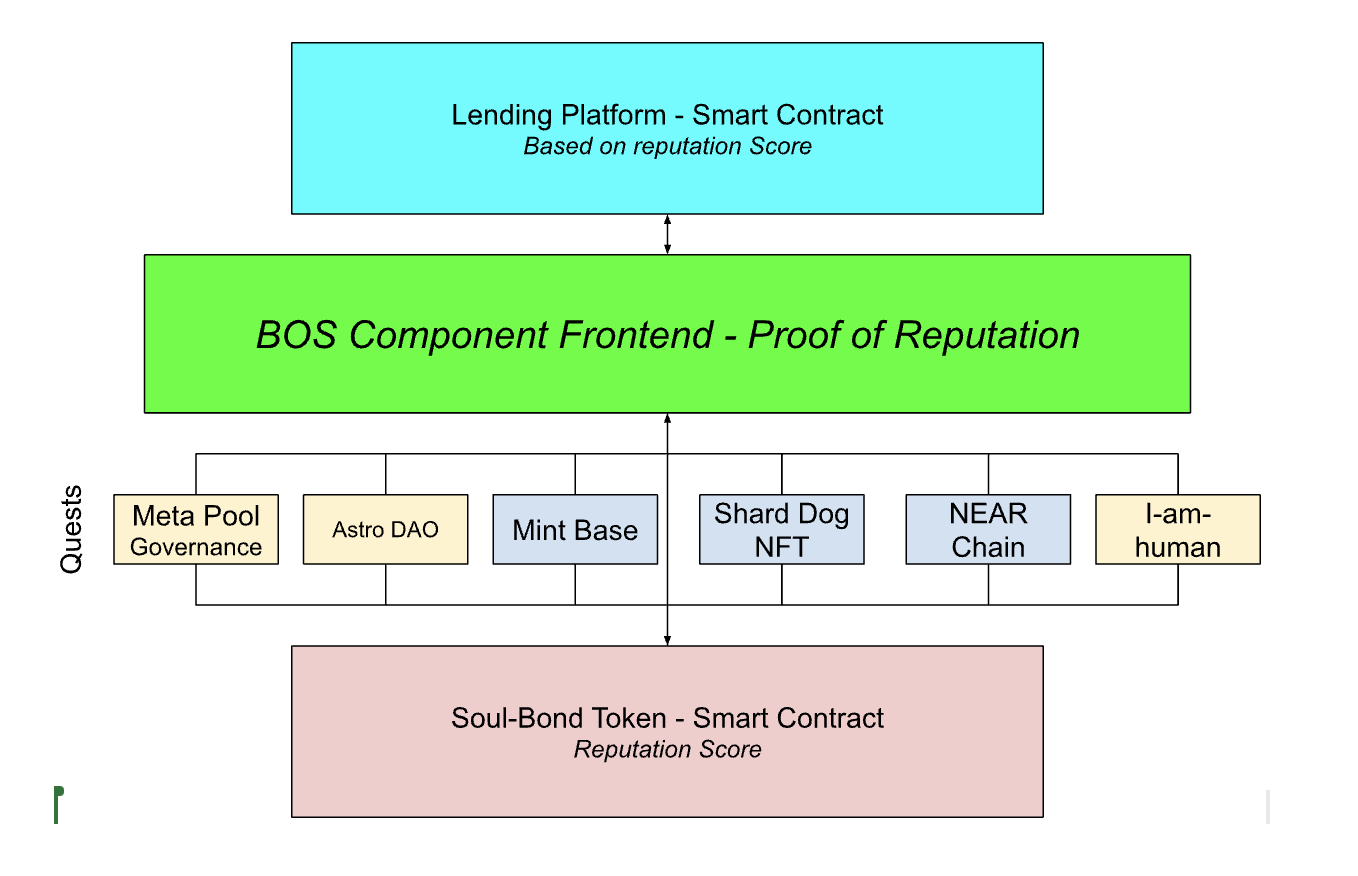
The real secret behind Proof of Reputation isn't just about preventing fraud; it's about fostering a more collaborative and trustworthy ecosystem. While security is a primary benefit, Po R also incentivizes good behavior and promotes long-term participation. When participants know that their actions directly impact their reputation and their ability to earn rewards, they're more likely to act responsibly and contribute to the overall health of the network. This can lead to a more vibrant and engaged community, fostering innovation and collaboration. Furthermore, Po R can facilitate the development of new applications and services that rely on verifiable reputations. For example, a decentralized lending platform could use Po R to assess the creditworthiness of borrowers, reducing the risk of defaults. An online marketplace could use Po R to help buyers identify reliable sellers, increasing trust and transparency. The possibilities are endless. However, it's important to remember that Po R is not a silver bullet. It's just one piece of the puzzle in building a secure and trustworthy decentralized ecosystem. It needs to be combined with other security measures, such as robust cryptography, smart contract audits, and community governance, to create a truly resilient and reliable system. The success of Po R depends on careful design, transparent implementation, and active participation from the community.
Recommendations for Implementing Proof of Reputation
If you're considering implementing Proof of Reputation in your system, there are several key factors to keep in mind. First and foremost, you need to define what "reputation" means in your context. What are the key indicators of trustworthiness and reliability? How will you measure and track these indicators? The answers to these questions will inform the design of your reputation system. Secondly, you need to choose a suitable mechanism for assigning and updating reputation scores. This could involve using on-chain data, off-chain attestations, or a combination of both. It's important to ensure that the mechanism is transparent, fair, and resistant to manipulation. Thirdly, you need to design a system for incentivizing good behavior and penalizing malicious actions. This could involve rewarding validators with high reputations and penalizing those with low reputations. The incentives should be aligned with the overall goals of the network. Finally, you need to continuously monitor and evaluate the performance of your reputation system. Are participants behaving as expected? Are there any vulnerabilities that need to be addressed? By continuously iterating and improving your system, you can ensure that it remains effective and secure over time. Remember that building a robust and trustworthy reputation system is an ongoing process. It requires careful planning, diligent implementation, and continuous monitoring.
Addressing Potential Challenges
While Proof of Reputation offers numerous benefits, it's important to acknowledge its potential challenges. One concern is the "cold start" problem: how do new participants establish a reputation in the first place? This can be addressed by implementing a gradual onboarding process, where new participants are given limited privileges and gradually earn more responsibility as they demonstrate trustworthiness. Another challenge is the potential for "reputation bias," where certain groups or individuals are unfairly favored over others. This can be mitigated by using diverse data sources for reputation assessment and implementing safeguards against discrimination. A further challenge is the risk of "reputation collusion," where groups of participants conspire to manipulate the reputation system for their own benefit. This can be addressed by implementing robust mechanisms for detecting and preventing collusion, such as anomaly detection and community-based monitoring. Finally, it's important to consider the legal and ethical implications of using reputation systems. How do you ensure that the system is fair and transparent? How do you protect the privacy of participants? These questions need to be addressed carefully to ensure that the system is used responsibly and ethically. Overcoming these challenges requires careful planning, transparent implementation, and ongoing monitoring.
Tips for Maintaining a Positive Reputation
Whether you're a validator in a Proof of Reputation system or simply a participant in an online community, maintaining a positive reputation is essential. Here are a few tips to help you build and protect your reputation: Be honest and transparent in your interactions. Don't try to hide your actions or mislead others. Always be truthful and upfront about your intentions. Fulfill your commitments. If you promise to do something, make sure you follow through. Reliability is a key indicator of trustworthiness. Treat others with respect. Even if you disagree with someone, be polite and respectful in your communication. Avoid personal attacks and inflammatory language. Be responsive and helpful. If someone asks you a question or needs assistance, respond promptly and offer helpful advice. Show that you're willing to go the extra mile to help others. Admit your mistakes. Everyone makes mistakes from time to time. When you make a mistake, admit it, apologize, and take steps to correct it. Showing humility and accountability can go a long way in building trust. Be proactive in addressing concerns. If someone raises a concern about your behavior, address it promptly and professionally. Don't ignore the issue or try to sweep it under the rug. Listen to their concerns, acknowledge their feelings, and work to find a resolution. By following these tips, you can build a positive reputation and foster trust with others.
The Importance of Transparency and Accountability
Transparency and accountability are cornerstones of any successful Proof of Reputation system. Transparency means that the rules and processes governing reputation are clearly defined and readily accessible to all participants. Everyone should understand how reputation scores are calculated, how they are used, and what actions can impact their reputation. Accountability means that participants are held responsible for their actions and that there are consequences for engaging in malicious or dishonest behavior. This can involve penalties such as reducing reputation scores, removing validator status, or even banning participants from the network. Transparency and accountability work together to create a fair and trustworthy environment. When participants know that their actions are being monitored and that they will be held accountable for their behavior, they are more likely to act responsibly and contribute to the overall health of the network. Furthermore, transparency and accountability can help to build trust among participants. When everyone can see how the system works and how decisions are made, they are more likely to believe that the system is fair and impartial. Therefore, transparency and accountability are essential for building a successful and sustainable Proof of Reputation system. These elements are the bedrock of trust.
Fun Facts About Proof of Reputation
Did you know that the concept of reputation-based systems dates back centuries? In ancient Greece, reputation played a crucial role in commerce and social life. Merchants with a good reputation were more likely to attract customers and secure favorable deals. In some cultures, reputation was even considered more valuable than money. Proof of Reputation is not just limited to blockchain systems. It's also used in various other contexts, such as online marketplaces, social media platforms, and peer-to-peer lending networks. Many online platforms use reputation scores to help users identify reliable sellers, trustworthy reviewers, and responsible borrowers. Some Proof of Reputation systems incorporate elements of game theory to incentivize good behavior. By rewarding participants for acting honestly and penalizing them for cheating, these systems can create a self-regulating environment. Proof of Reputation can be combined with other consensus mechanisms, such as Proof of Stake, to create hybrid systems that offer enhanced security and scalability. Some projects are exploring the use of AI and machine learning to improve the accuracy and efficiency of reputation assessment. These technologies can be used to analyze vast amounts of data and identify patterns of behavior that may be indicative of fraud or malicious activity. The field of Proof of Reputation is constantly evolving, with new ideas and innovations emerging all the time. As blockchain technology continues to mature, we can expect to see even more sophisticated and effective reputation systems in the future. It's a dynamic area with the potential to reshape how we interact and transact online.
How to Implement Proof of Reputation
Implementing Proof of Reputation requires careful planning and a deep understanding of the specific needs of your system. The first step is to define the key indicators of reputation. What behaviors do you want to encourage? What behaviors do you want to discourage? How will you measure these behaviors? Once you've defined your reputation metrics, you need to choose a suitable mechanism for assigning and updating reputation scores. This could involve using on-chain data, off-chain attestations, or a combination of both. It's important to ensure that the mechanism is transparent, fair, and resistant to manipulation. Next, you need to design a system for incentivizing good behavior and penalizing malicious actions. This could involve rewarding validators with high reputations and penalizing those with low reputations. The incentives should be aligned with the overall goals of the network. You also need to consider the initial distribution of reputation. How will you assign reputation to new participants? How will you ensure that everyone has a fair opportunity to build a positive reputation? Once you've implemented your Proof of Reputation system, it's important to continuously monitor its performance. Are participants behaving as expected? Are there any vulnerabilities that need to be addressed? By continuously iterating and improving your system, you can ensure that it remains effective and secure over time. Remember that building a robust and trustworthy reputation system is an ongoing process that requires careful attention to detail. It's worth it to achieve a more secure and reliable network.
What If Proof of Reputation Fails?
Even the most well-designed Proof of Reputation system can be vulnerable to failures. What happens if a malicious actor manages to manipulate the reputation system and gain undue influence? What happens if a bug in the code leads to inaccurate reputation scores? What happens if a large-scale attack compromises the integrity of the network? In these scenarios, it's important to have a plan in place to mitigate the damage and restore trust in the system. This could involve implementing emergency measures, such as temporarily suspending the reputation system or rolling back to a previous state. It could also involve conducting a thorough audit of the system to identify and fix any vulnerabilities. Communication is key during a crisis. It's important to be transparent with the community about what happened, what steps are being taken to address the issue, and what participants can do to protect themselves. Restoring trust after a failure can be challenging. It requires honesty, transparency, and a commitment to continuous improvement. It's also important to learn from the experience and implement safeguards to prevent similar failures from happening in the future. Ultimately, the success of a Proof of Reputation system depends on its ability to adapt and recover from failures. Resilience is just as important as security. Planning for potential failures is crucial for the long-term viability of any system.
Listicle: Top 5 Benefits of Proof of Reputation
Here's a quick rundown of the top 5 benefits of using Proof of Reputation: Enhanced Security: By prioritizing validators with a proven track record of trustworthiness, Po R significantly reduces the risk of fraud and malicious activity. Increased Efficiency: Po R can lead to faster transaction confirmations and reduced energy consumption compared to other consensus mechanisms like Proof of Work. Improved Trust: By building a system based on verifiable reputations, Po R fosters a more trustworthy and reliable environment for all participants. Stronger Incentives: Po R incentivizes good behavior and promotes long-term participation, creating a more collaborative and engaged community. New Opportunities: Po R enables the development of new applications and services that rely on verifiable reputations, such as decentralized lending platforms and online marketplaces. These benefits make Po R a compelling option for projects seeking to build more secure, efficient, and trustworthy decentralized systems. Its potential extends across various industries and use cases.
Question and Answer
Q: How does Proof of Reputation differ from Proof of Stake?
A: Proof of Stake relies on the amount of cryptocurrency a user holds to determine their influence in the network. Proof of Reputation, on the other hand, relies on a user's history of trustworthy behavior.
Q: Is Proof of Reputation vulnerable to attacks?
A: Like any consensus mechanism, Po R is susceptible to attacks, such as reputation laundering or collusion. However, well-designed Po R systems incorporate safeguards to mitigate these risks.
Q: Can Proof of Reputation be used in traditional businesses?
A: Absolutely! Reputation systems are already widely used in online marketplaces and review platforms. Po R can be adapted to enhance trust and transparency in various business contexts.
Q: What are some real-world examples of Proof of Reputation in action?
A: Several blockchain projects are experimenting with Po R, particularly in areas like supply chain management and decentralized finance, where trust and accountability are paramount.
Conclusion of What Is Proof of Reputation & How Does It Prevent Fraud?
Proof of Reputation offers a promising approach to building more secure, efficient, and trustworthy decentralized systems. By leveraging the power of reputation, Po R can effectively combat fraud, incentivize good behavior, and foster a more collaborative environment. While it's not a perfect solution and faces its own set of challenges, the potential benefits of Po R are significant. As blockchain technology continues to evolve, we can expect to see wider adoption of Po R and other reputation-based systems, ultimately leading to a more trustworthy and reliable digital world. The journey towards a more trustful online environment is ongoing, and Proof of Reputation represents an important step in the right direction. Its focus on established credibility and incentivizing good conduct offers a powerful tool for building more secure and trustworthy systems.
