
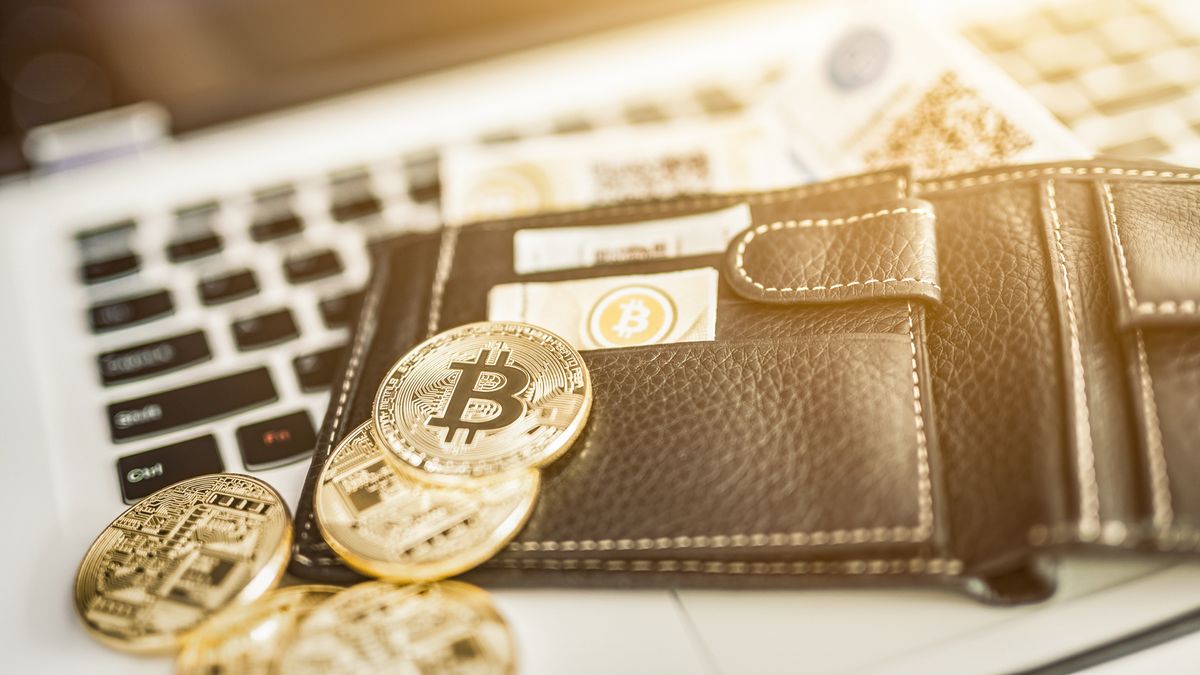
Entering the world of cryptocurrency can feel like stepping into a whole new dimension, filled with exciting opportunities and potentially confusing jargon. One of the first, and most crucial, steps you'll take is setting up a crypto wallet. But with so many options available, how do you choose the right one for you and your digital assets?
Many newcomers struggle with the overwhelming number of crypto wallet choices. Concerns about security, ease of use, and compatibility with different cryptocurrencies can quickly become roadblocks, preventing people from fully embracing the potential of digital currencies. Selecting the wrong wallet can lead to frustration, lost funds, or even security breaches, making the decision process a significant hurdle.
This guide is designed to navigate you through the process of choosing the best crypto wallet for your specific needs. We'll explore the different types of wallets, their security features, and the factors you should consider to make an informed decision that keeps your digital assets safe and accessible.
Choosing the right crypto wallet hinges on understanding your individual needs and risk tolerance. We'll cover the main types of wallets: hardware, software (desktop, mobile, and web), and paper wallets. We'll also delve into the importance of security features like two-factor authentication (2FA) and multi-signature authorization. By carefully considering these factors, you can confidently select a wallet that aligns with your investment strategy and provides peace of mind in the ever-evolving world of cryptocurrency.
How to Choose the Best Crypto Wallet for Your Coins
My first foray into crypto was a whirlwind. I heard about Bitcoin and, like many, was drawn in by the potential for quick returns. I bought a small amount, then scrambled to find a place to store it. I initially opted for a web wallet offered by the exchange I used, lured in by its convenience. It seemed easy enough at the time, but I soon realized I knew almost nothing about security or the risks involved.
After a few weeks of nervously checking my balance (which thankfully didn't change much), I stumbled upon an article discussing the importance of private keys and the risks of keeping your crypto on an exchange. The idea that I didn't trulyownmy Bitcoin because I didn't control the private keys sent shivers down my spine. That's when I started researching different wallet options and truly understood the importance of securing my digital assets.
Choosing the best crypto wallet isn't a one-size-fits-all decision. It depends heavily on your personal circumstances and investment goals. Are you a casual investor who only holds a small amount of crypto? Or are you a serious trader with a diverse portfolio? Are you comfortable with the technical aspects of managing your own keys, or do you prefer a more user-friendly experience? Answering these questions will help you narrow down your options and find a wallet that suits your needs. Remember, the primary goal is to balance security, convenience, and control over your digital assets.
How to Choose the Best Crypto Wallet for Your Coins
Choosing the best crypto wallet essentially boils down to finding the right balance between security, accessibility, and control. A crypto wallet doesn't actuallystoreyour cryptocurrencies; instead, it holds the private keys needed to access and manage your digital assets on the blockchain. Think of it like a key to your bank account – if someone gets their hands on your private key, they can access your funds.
There are several types of crypto wallets, each with its own advantages and disadvantages: Hardware wallets (like Ledger or Trezor) are physical devices that store your private keys offline, making them extremely secure against hacking. Software wallets (desktop, mobile, and web) are applications that you can install on your computer, smartphone, or access through a web browser. They offer more convenience than hardware wallets but are generally less secure. Paper wallets are simply printouts of your private and public keys. While secure if stored properly, they're not very practical for frequent transactions. Choosing the right wallet type depends on how frequently you plan to use your crypto and how much you prioritize security.
Consider factors like the supported cryptocurrencies. Does the wallet support all the coins you want to hold? Think about the user interface. Is it easy to navigate and understand? Also, look into the security features offered. Does it have two-factor authentication (2FA)? Does it support multi-signature transactions? Choosing a wallet that meets your specific needs and comfort level is crucial for a safe and enjoyable crypto experience.
How to Choose the Best Crypto Wallet for Your Coins
While the concept of a "crypto wallet" is relatively new, the underlying principles of secure storage and ownership have been around for centuries. The idea of keeping valuable possessions under lock and key, or entrusting them to a trusted third party, is deeply ingrained in human history. In a way, early forms of banking, with vaults and ledgers, can be seen as precursors to modern crypto wallets.
One common myth surrounding crypto wallets is that they are impenetrable fortresses, immune to any form of attack. While hardware wallets, in particular, offer a very high level of security, no system is foolproof. Phishing scams, malware, and even physical theft can still compromise your crypto assets if you're not careful. It's crucial to stay vigilant and practice good security habits, such as using strong passwords, enabling 2FA, and being wary of suspicious links and emails.
Another misconception is that all crypto wallets are created equal. In reality, there's a wide range of quality and security levels among different wallets. Some wallets may have vulnerabilities that could be exploited by hackers, while others may be poorly designed and difficult to use. It's important to do your research and choose a reputable wallet from a trusted provider. Look for wallets that have been audited by independent security firms and have a proven track record of protecting user funds.
How to Choose the Best Crypto Wallet for Your Coins
One of the biggest "secrets" to choosing the best crypto wallet is understanding that the "best" wallet is subjective and depends entirely on your individual circumstances. There's no single wallet that's perfect for everyone. The real secret lies in knowing yourself and your needs.
A hidden aspect often overlooked is the importance of backup and recovery. What happens if your phone is lost or your computer crashes? A good crypto wallet will provide a secure and reliable way to back up your private keys, such as a seed phrase or mnemonic phrase. This phrase is a series of words that can be used to recover your wallet and your funds if something goes wrong. Make sure to store your seed phrase in a safe and secure place, ideally offline, and never share it with anyone.
Another secret is to diversify your wallet strategy. Don't put all your eggs in one basket. Consider using a combination of different wallet types to balance security and convenience. For example, you might use a hardware wallet for long-term storage of your larger holdings and a mobile wallet for everyday transactions. This can help to mitigate the risk of losing all your funds if one wallet is compromised.
How to Choose the Best Crypto Wallet for Your Coins
Based on my own experiences and research, here are a few recommendations for crypto wallets, categorized by their primary strengths:
For Maximum Security: Ledger Nano X or Trezor Model T (Hardware Wallets). These wallets offer the highest level of security by storing your private keys offline. They are ideal for long-term storage of larger amounts of cryptocurrency. They might take a little getting used to if you are not tech savvy, but the extra security is worth the effort.
For Everyday Use: Trust Wallet or Exodus (Mobile Wallets). These wallets are user-friendly and convenient for making everyday transactions. They support a wide range of cryptocurrencies and offer features like built-in exchanges and staking rewards. These are great options if you make small purchases with crypto or are always on the go. Just remember to enable two-factor authentication for extra security.
For Advanced Users: Electrum (Desktop Wallet). This wallet offers advanced features like custom transaction fees and multi-signature support. It's a good choice for users who want more control over their crypto transactions. This option is really beneficial for those with a good grasp of the cryptocurrency world, but may not be user-friendly for beginners.
How to Choose the Best Crypto Wallet and related keywords
Choosing a wallet involves balancing several factors, including security, convenience, cost, and compatibility. Security is paramount. Hardware wallets, often considered the most secure, store your private keys offline, shielding them from online threats. Software wallets, available as desktop, mobile, and web applications, offer more convenience but are more vulnerable to hacking. Then there is the type of tokens you want to store. For example, there are best wallets to store ERC-20 tokens.
Convenience plays a significant role, especially if you frequently transact. Mobile wallets offer the ease of use needed for daily purchases, while hardware wallets are better suited for long-term storage. Cost is also a factor. While many software wallets are free, hardware wallets require an upfront investment. Finally, consider compatibility. Ensure the wallet supports all the cryptocurrencies you intend to hold. Some wallets focus on specific blockchains, while others offer broader support. Each crypto wallet type offers security and has different purposes.
The importance of regularly updating your chosen wallet cannot be overstated. Updates often include critical security patches that protect your assets from newly discovered vulnerabilities. Neglecting these updates can leave your wallet and its contents exposed. Similarly, backing up your wallet is essential. Regularly creating backups of your wallet's data ensures that you can recover your funds even if your device is lost, stolen, or damaged. Store these backups securely, preferably offline, to prevent unauthorized access.
How to Choose the Best Crypto Wallet for Your Coins
Before diving into the specifics of choosing a wallet, consider these crucial tips that can significantly enhance your overall crypto experience:
Prioritize Security: Always opt for wallets with strong security features, such as two-factor authentication (2FA) and multi-signature support. These features add an extra layer of protection against unauthorized access to your funds. Hardware wallets, as mentioned earlier, offer the highest level of security by storing your private keys offline. 2FA can dramatically decrease the chance of someone accessing your funds and taking off with your digital assets. Consider these options while navigating the world of cryptocurrency.
Do Your Research: Before trusting any wallet with your crypto, thoroughly research its reputation and security track record. Look for reviews from reputable sources and check for any reported security breaches or vulnerabilities. A well-researched decision can save you from potential losses in the future. Look at forums and see what other people are saying. There are always red flags when a wallet is bad!
Start Small: When trying out a new wallet, start by transferring a small amount of cryptocurrency to test its functionality and security. This will allow you to familiarize yourself with the wallet's interface and ensure that you can send and receive funds without any issues. This will help you avoid costly mistakes when you send larger amounts of crypto. This is a very important step to take while navigating this new journey.
How to Choose the Best Crypto Wallet and related keywords
Navigating the selection process requires a clear understanding of various wallet types and their distinct features. Each type serves different purposes and caters to different levels of user experience and security needs. The most common types include hardware wallets, software wallets (desktop, mobile, and web-based), and paper wallets.
Hardware wallets are physical devices that store your private keys offline, making them resistant to online hacking. They are often considered the most secure option but can be less convenient for frequent transactions. Ledger and Trezor are two well-known hardware wallet brands. Their cost can be a factor when starting out. They are great to store cryptocurrency for long term investment.
Software wallets, on the other hand, are applications that can be installed on your computer, smartphone, or accessed through a web browser. Desktop wallets offer a balance of security and convenience, while mobile wallets provide easy access to your funds on the go. Web-based wallets are the most convenient but also the least secure, as your private keys are stored on a server controlled by a third party. A major tip is to always consider the type of security offered by the various types of software wallets that there are. It is worth doing extra research!
How to Choose the Best Crypto Wallet for Your Coins
Here are some fun facts about crypto wallets that you might not know:
The first crypto wallet was created by Satoshi Nakamoto, the anonymous creator of Bitcoin. This wallet was a simple desktop application that allowed users to send and receive Bitcoin. Before this point, there was no real way to store and exchange Bitcoin. It was a crucial moment in crypto history. With out the creation of this crypto wallet, Bitcoin would have never taken off and become mainstream as we know it.
Some hardware wallets can be used to store multiple cryptocurrencies. This eliminates the need for multiple wallets, making it easier to manage your diverse portfolio. This has become an important feature for crypto holders. You will save more money from having to spend so much on multiple wallets. The hardware wallets are a great solution for this issue.
There are crypto wallets that can be used to earn interest on your holdings. These wallets allow you to stake your cryptocurrencies and earn rewards for helping to secure the network. It is a great way to invest and grow your earnings without doing to much. It is an easy way to passively invest in cryptocurrency. All that you have to do is find the crypto wallet that works the best for you.
How to Choose the Best Crypto Wallet for Your Coins
Choosing the best crypto wallet doesn't have to be a daunting task. Here's a simplified step-by-step guide to help you make the right decision:
Step 1: Define Your Needs. Start by identifying your specific requirements. How often will you be using the wallet? How much cryptocurrency do you plan to store? Do you need support for multiple cryptocurrencies? Answering these questions will help you narrow down your options.
Step 2: Research Different Wallet Types. Explore the different types of wallets available, including hardware, software (desktop, mobile, and web), and paper wallets. Understand the pros and cons of each type and how they align with your needs. Consider the level of security and your tech experience.
Step 3: Evaluate Security Features. Prioritize security features such as two-factor authentication (2FA), multi-signature support, and backup and recovery options. Ensure that the wallet has a strong reputation and a proven track record of security.
What if: How to Choose the Best Crypto Wallet for Your Coins
What if you choose the wrong crypto wallet? The consequences can range from minor inconveniences to significant financial losses.
Scenario 1: Choosing an Insecure Wallet. If you opt for a wallet with weak security features, you risk losing your funds to hackers or malware. This is especially true for web-based wallets, which are more vulnerable to online attacks. The best thing you can do is to do a ton of research. There are options for almost every kind of investor. There are options for secure and easy access.
Scenario 2: Losing Access to Your Wallet. If you fail to back up your wallet or store your private keys securely, you could lose access to your funds permanently. This is a common mistake, especially among beginners, and can be devastating. The seed phrase is the key to everything when it comes to accessing funds. Keep it in a very secure spot.
Scenario 3: Compatibility Issues. Choosing a wallet that doesn't support all the cryptocurrencies you want to hold can be frustrating. You may need to use multiple wallets, which can be cumbersome and increase the risk of errors. Be sure that the wallet that you choose works well with the tokens that you would like to hold in the wallet. This small tip can save you so much time and money!
Listicle of: How to Choose the Best Crypto Wallet for Your Coins
Here's a quick list of key considerations when choosing the best crypto wallet:
1. Security: Prioritize wallets with strong security features like 2FA and multi-sig.
2. Convenience: Choose a wallet that aligns with your transaction frequency and accessibility needs.
3. Compatibility: Ensure the wallet supports all the cryptocurrencies you intend to hold.
4. Backup and Recovery: Verify that the wallet offers secure backup and recovery options.
5. Reputation: Research the wallet's reputation and security track record.
6. User Interface: Opt for a wallet with a user-friendly interface that you find easy to navigate.
7. Cost: Consider the cost of the wallet, especially for hardware wallets.
8. Community Support: Look for wallets with active community support in case you need help.
Question and Answer: How to Choose the Best Crypto Wallet for Your Coins
Q: What is the safest type of crypto wallet?
A: Hardware wallets are generally considered the safest, as they store your private keys offline.
Q: How do I back up my crypto wallet?
A: Most wallets provide a seed phrase or mnemonic phrase that you can use to recover your wallet. Store this phrase in a safe and secure place.
Q: Can I use the same wallet for multiple cryptocurrencies?
A: Yes, many wallets support multiple cryptocurrencies, but it's important to check compatibility before transferring any funds.
Q: What is two-factor authentication (2FA) and why is it important?
A: 2FA adds an extra layer of security by requiring a second form of verification, such as a code from your phone, in addition to your password. This makes it more difficult for hackers to access your wallet.
Conclusion of How to Choose the Best Crypto Wallet for Your Coins
Choosing the right crypto wallet is a crucial step in securing your digital assets. By understanding the different types of wallets, their security features, and your own individual needs, you can make an informed decision that provides peace of mind. Remember to prioritize security, do your research, and start small. With the right wallet, you can confidently navigate the world of cryptocurrency and protect your investments.
